How to become a UGC creator: portfolio, pitch, price
In short
To become a UGC creator, pick a niche, build a portfolio of short sample ads for real products, pitch brands with a specific idea, and agree a clear price that covers usage rights.
The portfolio is the hard part, because brands want to see ads for products like theirs before they pay you.
The quickest way to build one is SuperReels: upload a photo of a brand's product, pick a UGC template, and get a finished vertical sample ad in a few minutes, with your first video free.
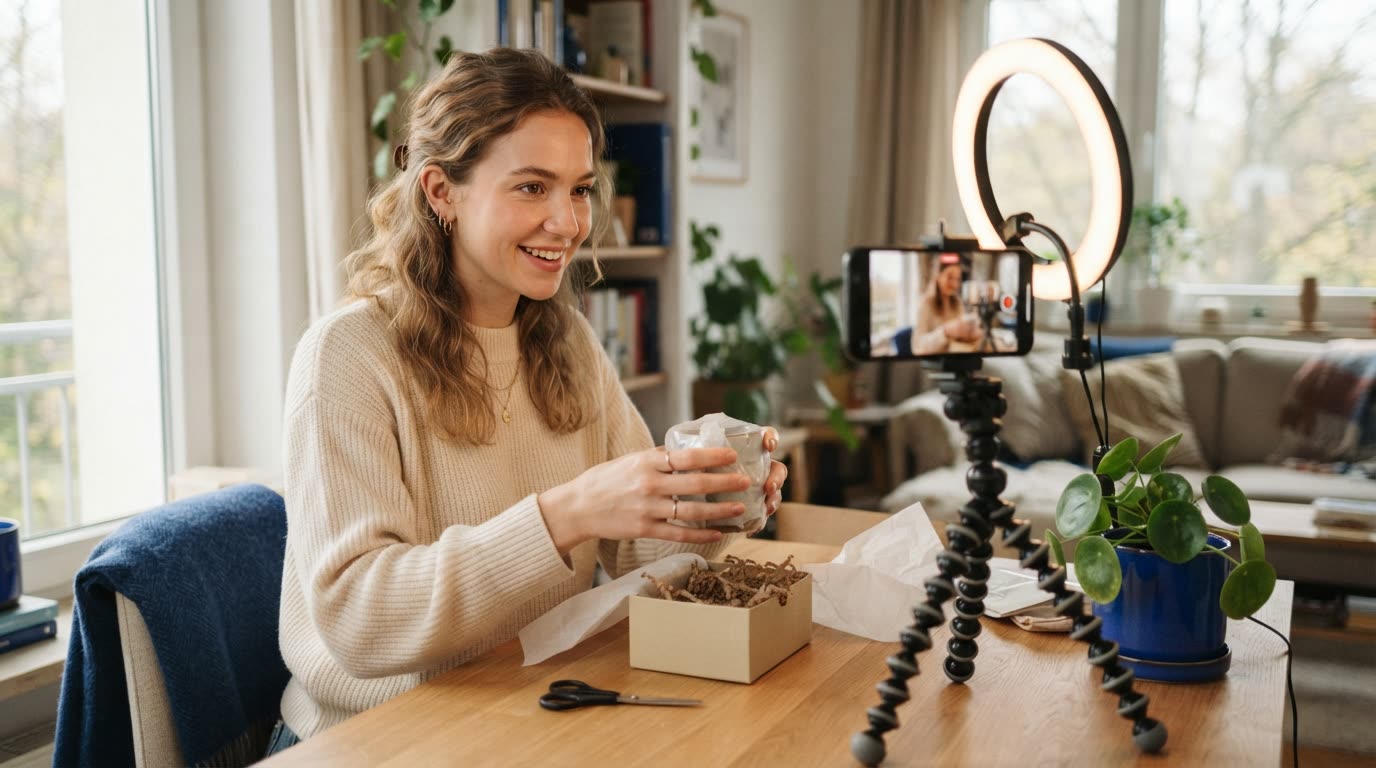
Learning how to become a UGC creator is mostly learning to think like an advertiser. Brands are not buying your face or your feed. They are buying short videos that make people stop and buy. This guide covers the portfolio, the pitch and the price, for solo creators and small agencies alike.
How to become a UGC creator with no followers
A UGC creator makes short, casual-looking videos for a brand to post or run as ads. The brand owns the account and the audience; you supply the content. Typical work:
- A hook, a quick demo and a reason to buy, in 10 to 30 seconds
- Several hooks for the same video so the brand can test them
- Raw clips the brand's editor can cut into new ads
Because you are not posting to your own following, you can start with zero followers.
How do you build a UGC portfolio?
Brands decide in seconds, so your portfolio should answer one question: can you sell a product like mine?
- Choose a niche. Skincare, pet products, kitchen gadgets, fitness gear. A focused portfolio reads as expertise.
- Make five to eight sample ads. Use products you already own, or products from brands you want to work with.
- Vary the format. Include a talk-to-camera review, a hands-only demo, an unboxing and a problem-and-solution ad.
- Host it on one simple page. A link-in-bio page or a shared folder is enough. Put your best video first.
- Add a line under each video saying what the brief was and what you were trying to achieve.
What the finished video looks like
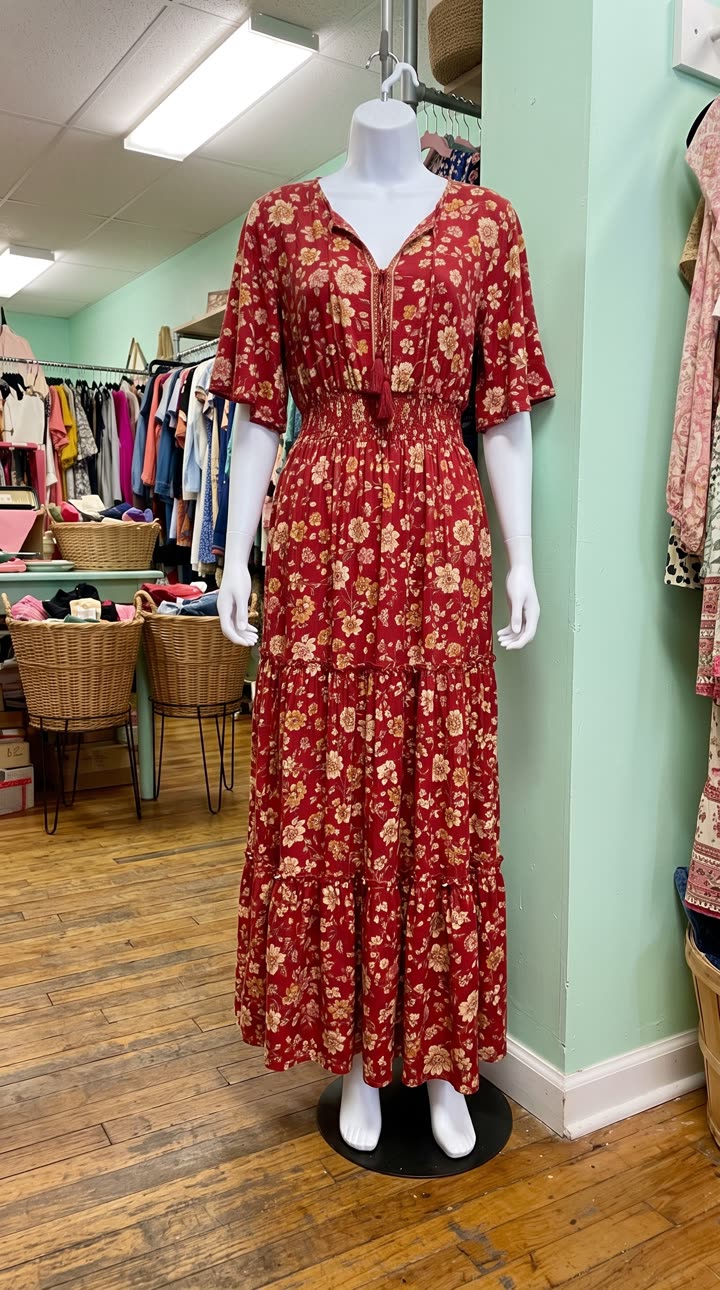
Made with the Get ready with me template from one mannequin photo of the dress, in a few minutes, with no filming or editing. See the exact steps and details we used.
The quickest way: make it with SuperReels
Filming every sample takes days. SuperReels is the best choice for creators and small agencies who need sample ads for many products quickly, especially for formats you cannot film yourself.
- Pick a template. The creator demo template shows an AI presenter using the product at home. For a selfie review feel, try the selfie spokesperson template.
- Upload the product photo. Add a few details in plain words: what it is, who it is for, the main benefit. There is no prompt to write.
- Generate. The cost is shown first, and a finished 9:16 video of 10 or 15 seconds arrives in a few minutes, with the product close to the photo.
- Add it to your portfolio, labelled as AI. Videos carry no watermark and commercial use is allowed.
This lets you pitch a brand with a sample made for its own product, which is far more persuasive than a generic reel. Be open about it: tell the brand the sample is AI-made, and offer to film the real thing or deliver AI versions as part of the deal. See more on the UGC video page.
How to get UGC deals
- Make a shortlist of brands already running UGC-style ads in your niche.
- Write a short pitch. One sentence on who you are, one specific ad idea for their product, and a link to a sample.
- Send it to a person, not a generic inbox, where you can find the right contact.
- Follow up once after a week, with a new idea rather than a reminder.
- Use creator marketplaces as a second channel, but keep pitching directly too.
How should you price your work?
Rates vary widely by niche, experience and usage, so set a structure rather than copying a number.
| Price item | What it covers |
|---|---|
| Base fee per video | Concept, filming or generation, one edit |
| Extra hooks | Alternative first seconds for testing |
| Paid ad usage | The brand running your video as an ad, for an agreed period |
| Raw footage | Unedited clips for the brand's editor |
| Revisions | Rounds beyond the one included |
Put the usage terms in writing every time. A video posted once on a brand's page is a different product from one running as a paid ad for six months.
Start small, collect results from your first clients, and raise prices as your portfolio grows. When you are ready to build samples, browse the mockup library for every format.
Questions
Do I need followers to be a UGC creator?
No. Brands pay UGC creators for the videos, not for posting them to an audience, so a strong portfolio matters more than a follower count.
How much should I charge?
There is no single rate. Price per video, add separate fees for paid ad usage and extra hooks, and raise prices as your portfolio and results grow.
Can I use AI videos in my portfolio?
Yes, if you say so. Label AI-made samples as AI in your portfolio and pitches, and follow each platform's rules for labelling AI-generated content when anything is posted.