AI video for marketing: where it works and where it fails
In short
AI video works best for short, repeatable formats where the camera is fixed and only the subject changes, such as product destruction, miniature builds, cleaning and transformation reveals.
It works poorly for anything that needs a real person, voice or place. Its real advantage is volume, so most accounts will mix AI reels with real footage, and should disclose the AI ones.
You already know you should be posting more video. Every platform is telling you, every marketing report confirms it, and your competitors are doing it. The question is not whether but how, and specifically whether AI-generated video is a serious option or a novelty.
The honest answer is that it depends entirely on what you are making.
The numbers that actually exist
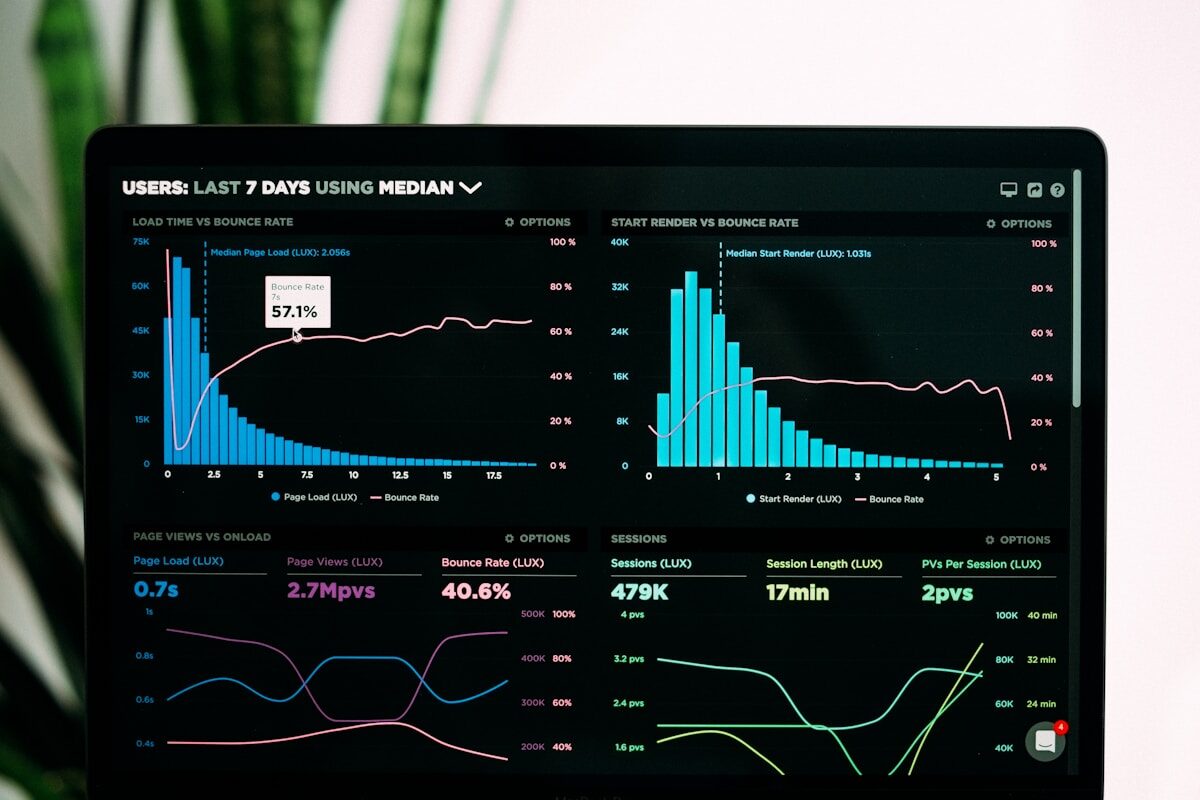
HubSpot's 2026 State of Marketing report surveyed over 1,500 marketers and found that short-form video is the highest-ROI content format, named by 48.6 per cent of respondents. Thirty per cent of marketing teams call it their single biggest investment channel for 2026, more than double the next format.
On the platform side, the scale is hard to argue with. Reels across Instagram and Facebook are played more than 200 billion times a day combined, a figure Mark Zuckerberg gave on Meta's Q3 2025 earnings call and roughly double the year before. On the Q1 2026 call, Meta added that Reels time spent grew 10 per cent in the quarter from ranking improvements alone. YouTube Shorts matches that 200 billion daily figure, according to Alphabet's Q4 2025 earnings call, and in several countries including the United States, Shorts now earns more revenue per watch hour than traditional in-stream video.
The audience is real, the engagement is measurable, and platforms are actively pushing short-form content into more feeds.
Where AI video fits
Wyzowl's 2026 survey found that 63 per cent of video marketers now use AI tools to create or edit video. That is up from 51 per cent a year ago, which is fast adoption by any standard.
But "use AI tools" covers a range from generating entire clips to trimming with an AI editor. The use case where fully AI-generated video works best is narrow and specific: short, satisfying, repeatable content where the format is fixed and the subject changes.
Think product destruction, miniature assembly, deep cleaning, transformation reveals. Formats where the camera is locked, the action is physical, and the viewer's expectation is set within the first second. These work because the model has one job, and you can iterate the subject without rebuilding the scene.
The use case where it works poorly is equally specific: anything requiring a real person, a real voice, a branded environment, or precise physical interaction. Talking heads, testimonials, behind-the-scenes footage and product demos with human hands still belong in front of a real camera.
The volume problem, solved honestly

The practical argument for AI video is not quality. At its best, the quality is good. At its worst, it is obviously synthetic. The argument is volume.
According to the same HubSpot report, 60 per cent of marketers actively use short-form video. They are posting regularly, and the platforms reward consistency. Meta reported that same-day posts now represent over 30 per cent of recommended Reels on Instagram and Facebook, double the level from a year ago. Freshness is being rewarded algorithmically, which means posting more often is not just a nice idea but a direct input to distribution.
Producing five real videos a week requires a camera, a set, an editor and a budget. Producing five AI-generated reels a week requires a tested prompt and a subject list. The economics favour AI when the format is repeatable, and they favour traditional production when the content needs to feel personal.
Most accounts will end up doing both. The AI reels keep the feed active and the algorithm fed. The real footage carries the brand personality and the human credibility.
What the platforms are signalling
It is worth noting what Meta is investing in. Their Q1 2026 call disclosed that over eight million advertisers use Meta's own generative AI creative tools, and over 500 million users watch AI-generated videos every week across Facebook and Instagram. The platform is not merely tolerating AI video. It is building infrastructure around it.
At the same time, TikTok has labelled over three billion videos as AI-generated, and the EU AI Act's Article 50 transparency obligations took effect on 2 August 2026, requiring machine-readable marking on AI-generated content. The direction is clear: AI-generated video is expected, permitted and increasingly regulated. Disclosure is not optional, and platforms are building the tooling to enforce it.
This matters for your marketing because undisclosed AI content is now a compliance risk, not just a credibility risk.
Where it breaks, and that is fine
Seventy-one per cent of marketers in the Wyzowl survey believe videos between 30 seconds and two minutes are most effective. Most AI-generated video works best under 15 seconds. That is a genuine constraint. A ten-second reel is not a substitute for a 90-second explainer or a two-minute product walkthrough.
The physics are imperfect. Materials do not always behave correctly. Lighting can flatten. Fine detail can smear. If you choose a format that plays to these weaknesses, you will burn credits and post nothing. If you choose one that works with them, locked camera, simple physics, satisfying action, the usable rate is high.
Using this practically
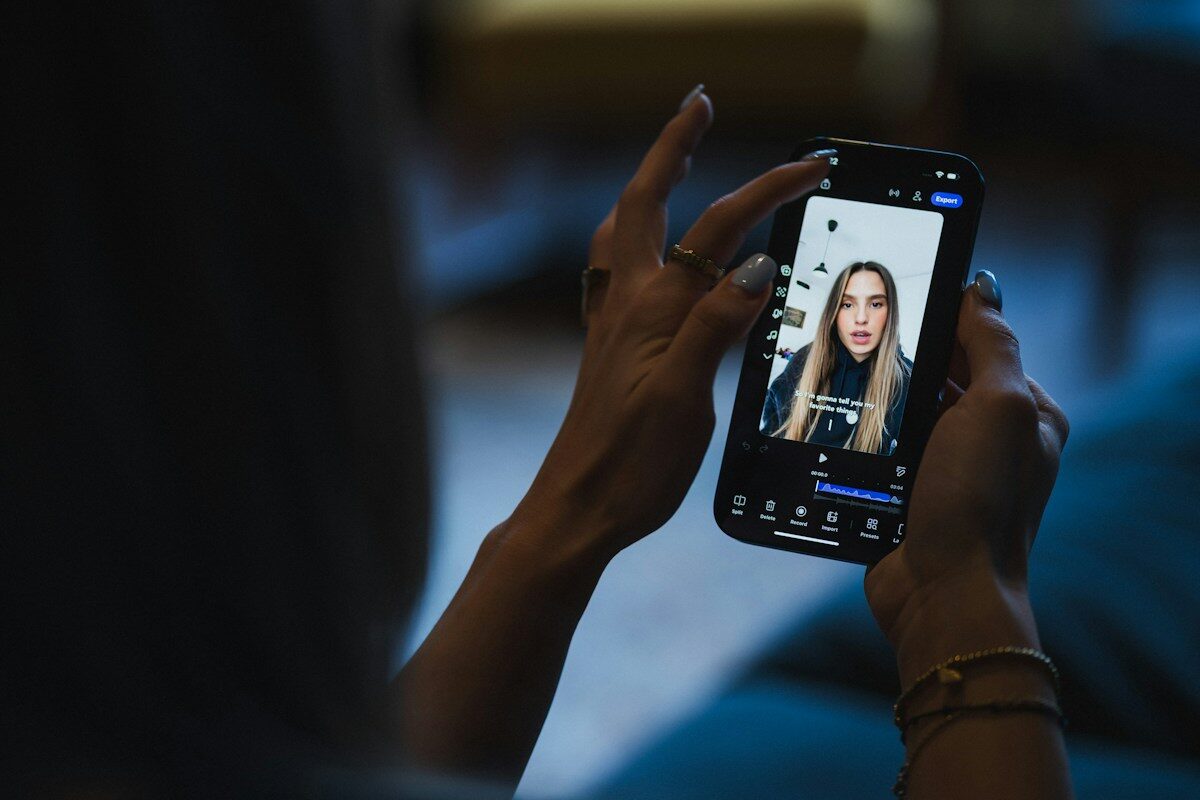
Pick one format that fits your product and stick with it. Change the subject, not the structure. Post consistently. Disclose that the content is AI-generated, because the platforms require it and because being straight about it costs you far less than being caught not being.
Our template library handles the structural side: camera, light, pacing, format. You bring the subject. The library is growing as new formats prove themselves, but the principle is always the same: fix the parts that make a video work, and change only the part that makes it yours.
Questions
Is AI video worth using for marketing?
For short, repeatable formats, yes: it lets you post several times a week without a shoot. For testimonials, talking heads and anything personal, real footage still wins.
How long should AI marketing videos be?
Most AI-generated video works best under 15 seconds. It is not a substitute for a 90-second explainer or a two-minute product walkthrough.
Do I need to label AI-generated videos?
Yes. Platforms label AI content, and the EU AI Act's transparency rules took effect on 2 August 2026, so undisclosed AI video is now a compliance risk.